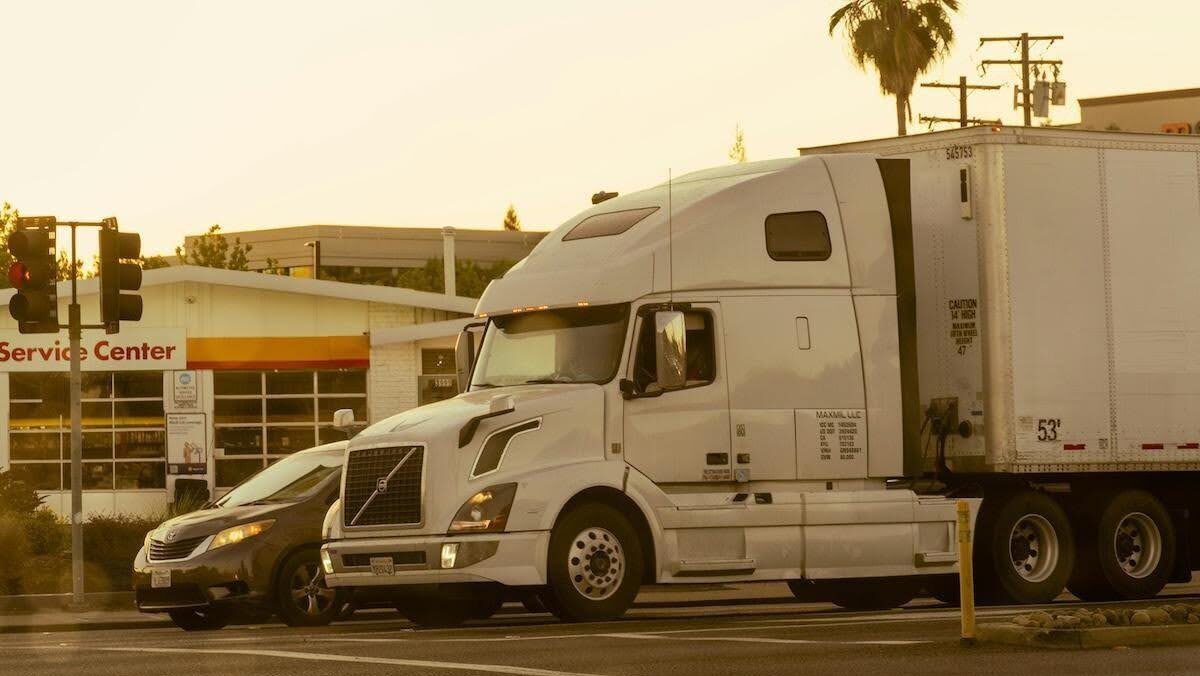
Truck accident claims are more complex than car crashes because multiple parties can be liable — the driver, the trucking company, the cargo loader, and maintenance contractors — each with separate insurance. Commercial trucks also generate critical evidence (driver logs, electronic data, maintenance records) that can be lost, so acting quickly matters.
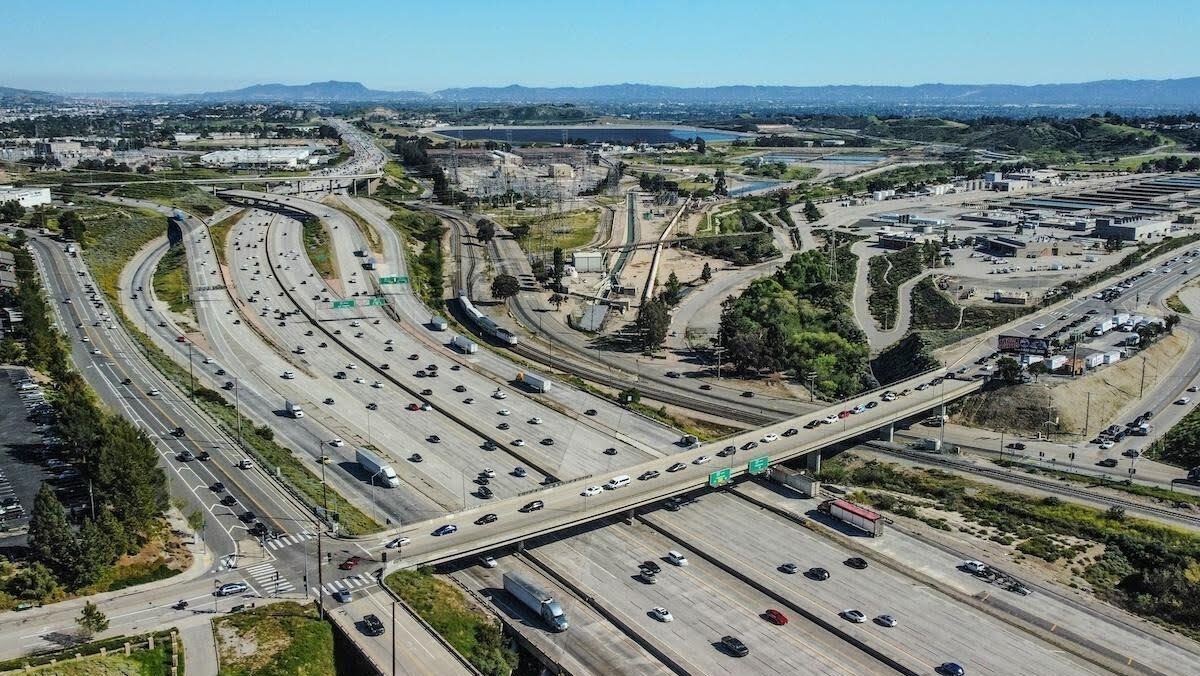
The freight that supplies Southern California moves on wheels, and much of it rolls through the inland corridor linking Corona, Anaheim, and the communities between. The 91 and the 5 carry a steady current of tractor-trailers alongside commuter traffic — a mix that, when it goes wrong, goes wrong at scale.
Why are truck accidents more serious than car crashes?
A loaded commercial truck can weigh many times what a passenger car weighs. The physics are unforgiving: longer stopping distances, wider turns, and devastating force in a collision. A crash that would be a fender-bender between two sedans can be life-altering when one vehicle is an 18-wheeler, which is why a truck accident claim is rarely as simple as an ordinary car crash. For drivers in Diamond Bar or West Covina sharing the road with freight traffic, that asymmetry is the central fact.
Who can be held liable in a truck accident?
Truck cases rarely involve just two drivers. Potentially responsible parties can include the driver, the trucking company, the owner of the trailer, the company that loaded the cargo, and a maintenance contractor. Each may carry separate insurance, and each may point at the others. California’s pure comparative negligence rule (Li v. Yellow Cab Co. (1975) 13 Cal.3d 804) governs how fault is divided among them, and an injured motorist in Anaheim or Norwalk can recover from multiple parties in proportion to each one’s share of responsibility.
What evidence is critical in a truck accident case?
Commercial trucks generate records a passenger car does not: driver logs, electronic control module data, maintenance histories, cargo manifests. These can be decisive — and they can also be overwritten or discarded. Acting promptly, well within the two-year deadline of Code of Civil Procedure section 335.1, is not merely about the filing date; it is about preserving the proof while it still exists.
That preservation problem is sharper for trucks than for ordinary car accidents, where the evidence is usually just two vehicles and a police report. Trucking cases reward the injured motorist who moves quickly.
The Takeaway
The Corona-to-Anaheim corridor will keep carrying the region’s freight. The motorist injured in that traffic faces a more complex case than an ordinary collision — more defendants, more insurers, more evidence to secure — but also more potential sources of recovery. Understanding that complexity early is what turns it from a disadvantage into leverage.

Frequently Asked Questions
Who is responsible when a commercial truck causes a crash?
Liability can extend beyond the driver to the trucking company, the trailer owner, the cargo loader, and maintenance contractors. Each may carry separate insurance, which is part of why these cases are complex.
Why are truck accident injuries usually more severe?
A loaded commercial truck weighs many times what a car does, with longer stopping distances and far greater impact force. A minor-seeming collision can cause catastrophic injuries.
What evidence should be preserved after a truck accident?
Driver logs, electronic control module (“black box”) data, maintenance histories, and cargo manifests. This evidence can be overwritten or discarded, so prompt legal action helps preserve it.
How long do I have to file a truck accident claim in California?
Generally two years from the date of the crash under Code of Civil Procedure section 335.1, but preserving trucking records often requires acting much sooner.