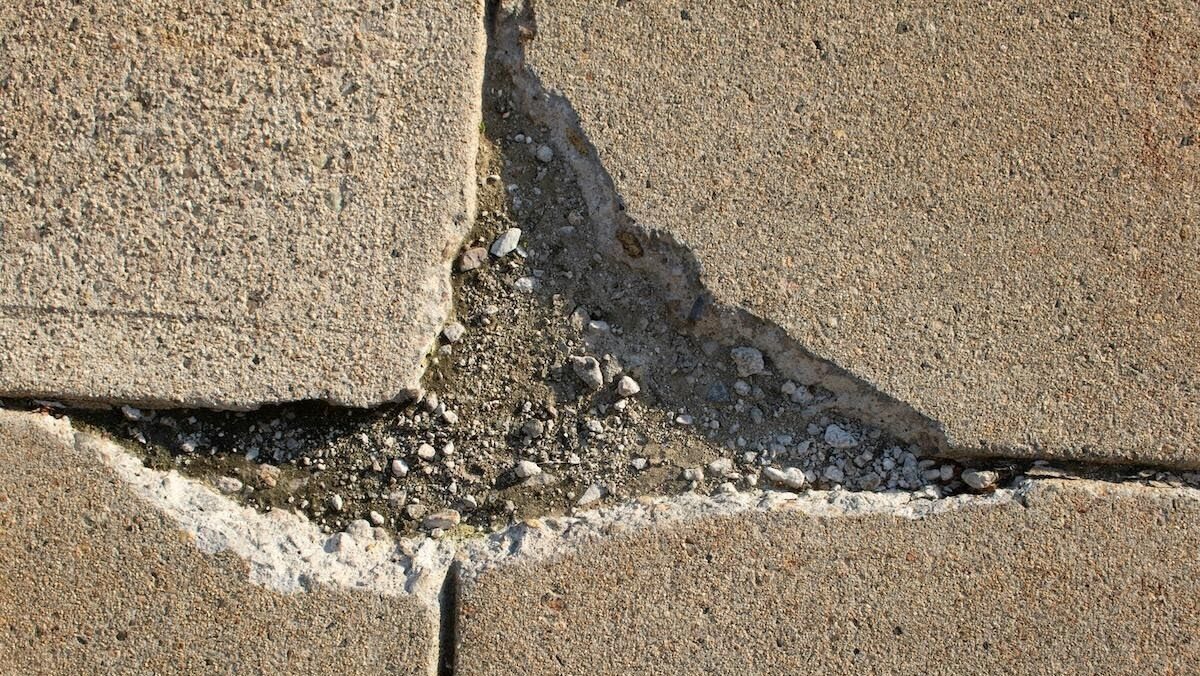
In California, a property owner generally is not liable for a sidewalk defect so minor it poses no substantial risk — the “trivial defect” rule, which courts have often applied to height differences under roughly three-quarters of an inch to an inch. But size is not the whole test: lighting, jagged edges, debris, and prior accidents all matter, and a public-sidewalk claim must be filed within six months.
Uneven pavement is part of the Southern California streetscape — tree roots heaving slabs in older Pasadena neighborhoods, weathered concrete along a Long Beach block, a lifted edge outside a Santa Monica storefront. Catch a toe on one and the fall can fracture a wrist or worse. A trip-and-fall on a sidewalk is a real injury claim — but it runs into a specific legal hurdle that surprises most people.
Who is liable for a fall on a public sidewalk?
Liability for a sidewalk fall depends on who controlled the walkway and let the hazard develop. Public sidewalks generally implicate a city or other public entity, while a walkway on or abutting private property may put a business or property owner in the frame. That distinction matters enormously, because a claim against a public entity triggers a far shorter deadline: under Government Code section 911.2, you must present a written claim within six months of the fall, not the two years that applies to ordinary injury claims. Miss that window and the claim against the public entity is usually lost.
What is the “trivial defect” doctrine in California?
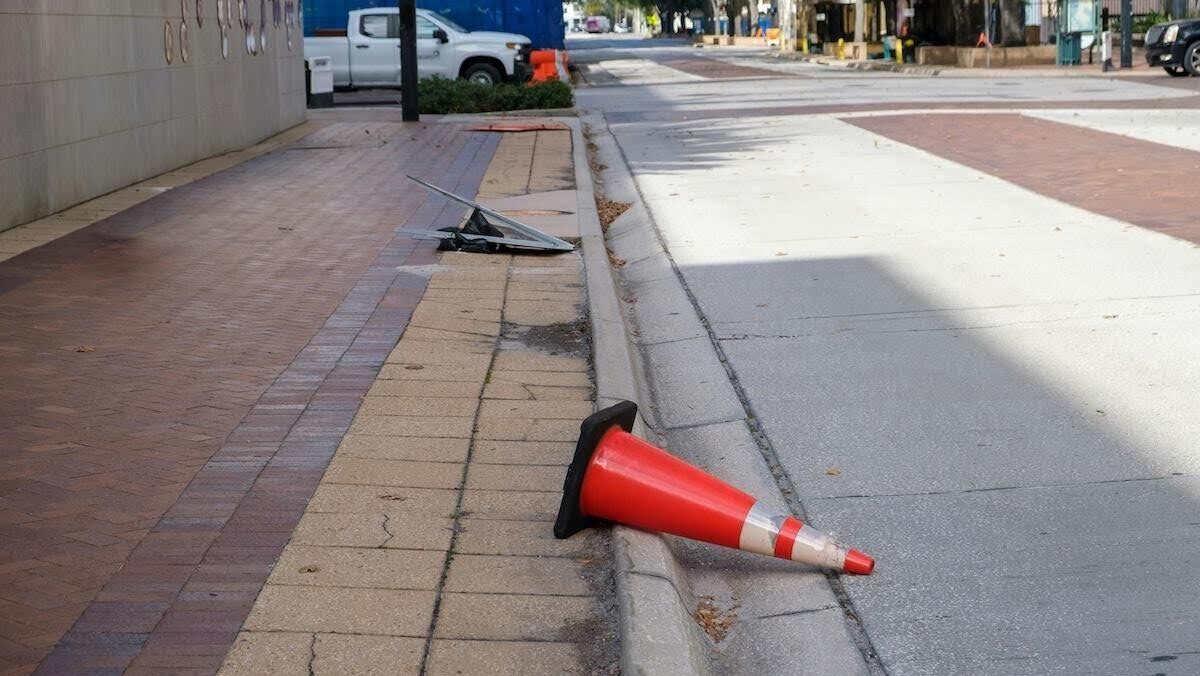
Here is the hurdle. Under California’s long-standing “trivial defect” doctrine, a property owner — public or private — is not liable for a defect so minor that it would not pose a substantial risk to a person exercising ordinary care. California courts have frequently treated sidewalk height differences of roughly three-quarters of an inch to an inch as trivial as a matter of law, meaning the case can be dismissed before it ever reaches a jury.
But — and this is the part that matters — size is not the whole analysis. Courts weigh the totality of the circumstances, including:
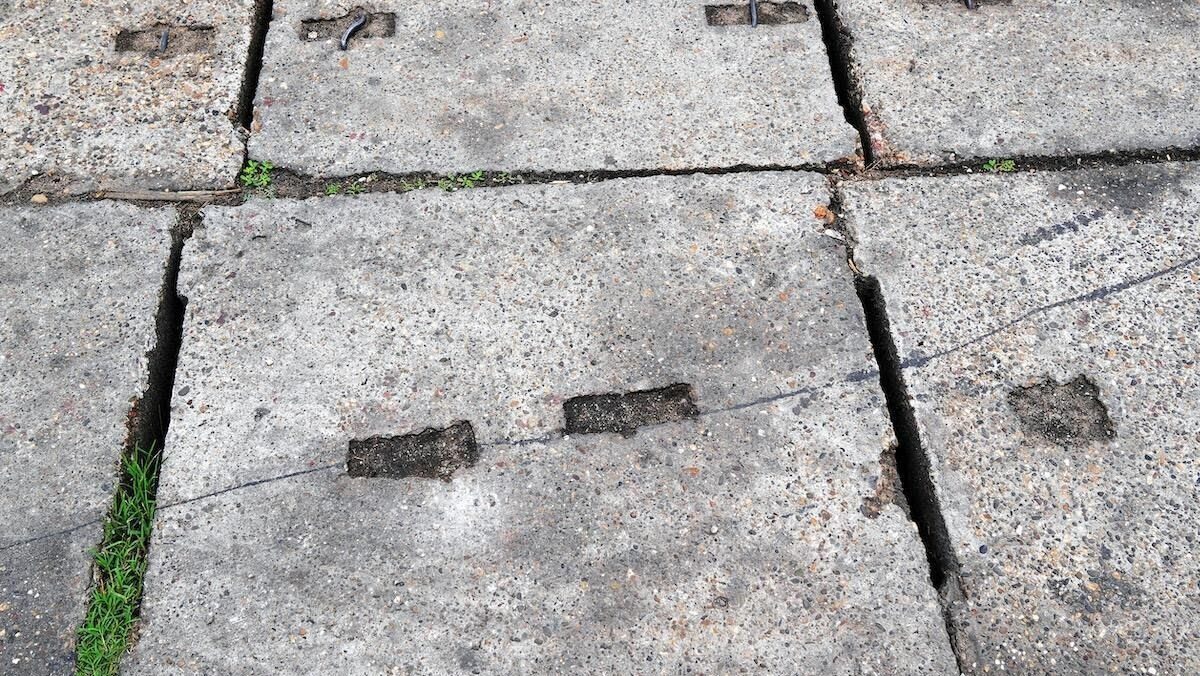
- Whether the concrete was broken, jagged, or crumbling rather than a clean offset.
- Lighting and time of day — a defect invisible at night is treated differently than one in plain daylight.
- Whether debris, water, or shadow obscured the hazard.
- Whether anyone had been injured at the same spot before.
How do I prove a sidewalk defect was not trivial?
Because the defense will almost always argue “trivial,” the injured person’s case is built in the details: precise measurements, photographs of jagged edges or poor lighting, and any record of prior complaints. This is ordinary premises liability law doing its work, and California’s pure comparative negligence rule (Li v. Yellow Cab Co. (1975) 13 Cal.3d 804) still applies if the property owner argues you were not watching where you walked — your share of fault reduces, but does not erase, your recovery.
The Takeaway
A cracked sidewalk that broke your wrist is not automatically a winning case — California gives owners real protection for minor imperfections. But where the defect was substantial, hidden, or had hurt others before, the trivial-defect argument can be overcome with the right evidence. Photograph and measure the defect the same day if you can, note the lighting, and act quickly — especially if a city sidewalk is involved and the six-month government-claim clock is running.
Frequently Asked Questions
Can I sue if I tripped on a small sidewalk crack?
Possibly, but California’s trivial defect rule often bars claims over very minor defects — height differences under roughly three-quarters of an inch to an inch are frequently deemed trivial unless aggravating factors are present.
What makes a sidewalk defect more than “trivial”?
Courts look beyond size to the totality of circumstances: broken or jagged concrete, poor lighting, debris obscuring the hazard, and whether anyone was injured there before can all push a defect past trivial.
Who do I sue for a public sidewalk fall?
Usually the responsible public entity, such as a city. These claims require a written government claim within six months of the fall under Government Code section 911.2, far shorter than the standard deadline.
What should I do right after a sidewalk trip-and-fall?
Photograph and, if possible, measure the defect the same day; note the lighting and time; get witness information; and seek medical care. Evidence and the short government deadline make prompt action essential.