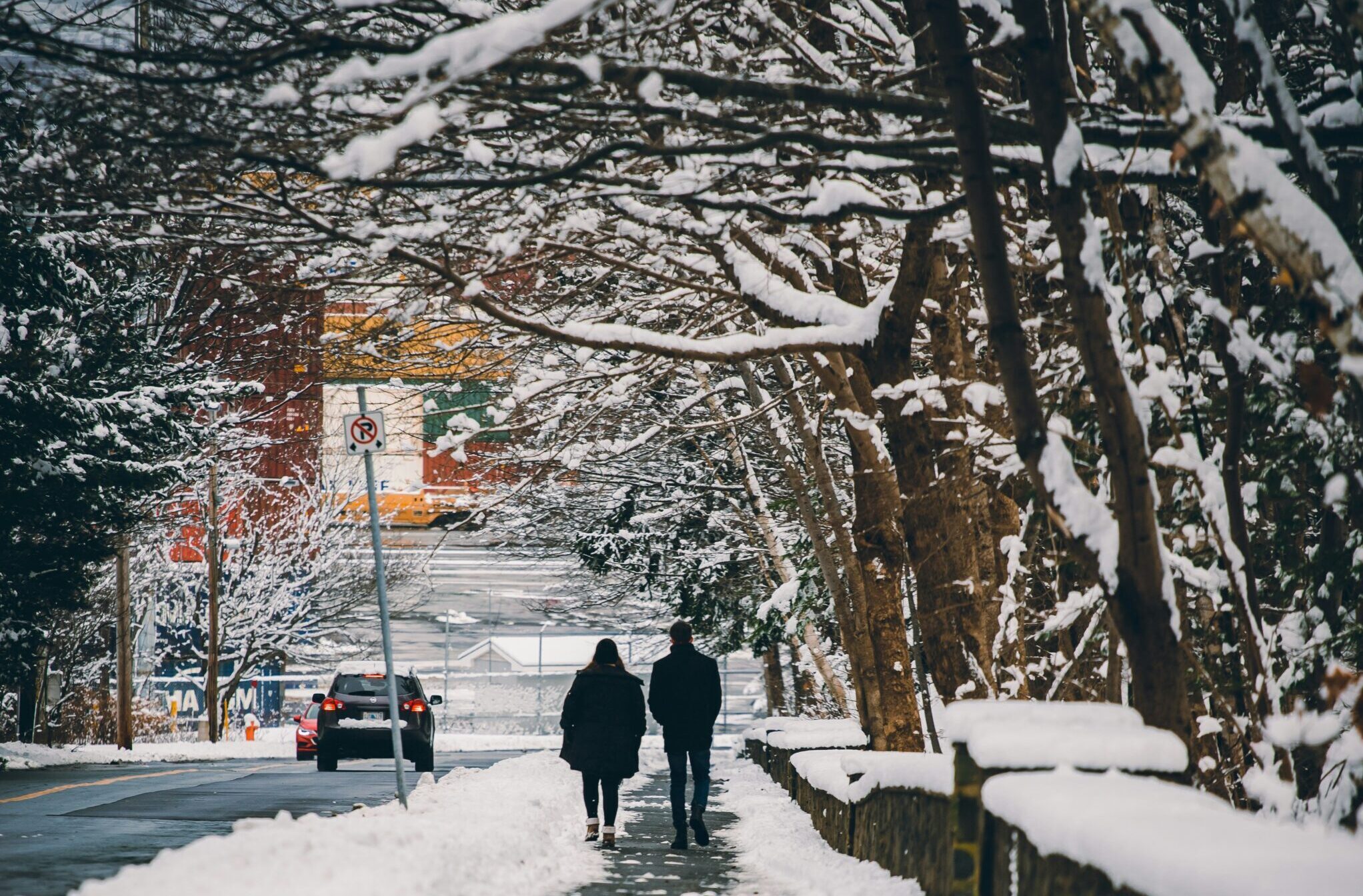
When winter arrives, icy sidewalks, snowy parking lots, and wet entryways create a perfect storm for slip and fall accidents. Many of these incidents happen because of property defects, poor maintenance, or the owner’s failure to warn visitors of hazards.
Common causes of winter slip and fall accidents include:
- Ice or snow build up on sidewalks, stairs, or parking lots
- Failure to shovel, salt, or sand icy areas
- Slippery entryways from melted snow
- Uneven or cracked walkways hidden under snow
- Poor lighting in icy or wet areas
- Cluttered or obstructed walkways
- Wet or damaged indoor flooring
Even a small patch of ice can cause a bad fall and serious injury. That is why it is important to have a slip and fall lawyer look at your case.
Common Injuries in Winter Slip and Fall Accidents
A simple fall on an icy surface can cause more than bruises. Victims often suffer from:
- Bone fractures (especially wrists, hips, and ankles)
- Head and brain injuries
- Back and spinal cord damage
- Concussions
- Soft tissue injuries
Each year, thousands of people suffer serious injuries while visiting someone else’s home or business because a property owner failed to maintain safe conditions, especially during the winter months.
What Is Premises Liability?
Premises liability refers to the legal responsibility property owners and occupiers have to ensure their property is reasonably safe for visitors. This includes:
- Inspecting for dangerous conditions (like ice, snow, or spills)
- Repairing known hazards in a timely manner
- Posting visible warnings or barriers when hazards can’t be fixed immediately
If a property owner knows of a dangerous condition and fails to act, they may be held legally liable for resulting injuries.
Property Owners’ Duty of Care
In California, property owners must exercise reasonable care to protect people lawfully on their property. This means:
- Regularly inspecting for hazards, especially in winter
- Clearing snow and ice promptly after storms
- Applying salt or sand to reduce slipperiness
- Posting warning signs for wet floors or icy conditions
When an owner fails to take these precautions and someone is injured, the owner may be held liable for negligence.
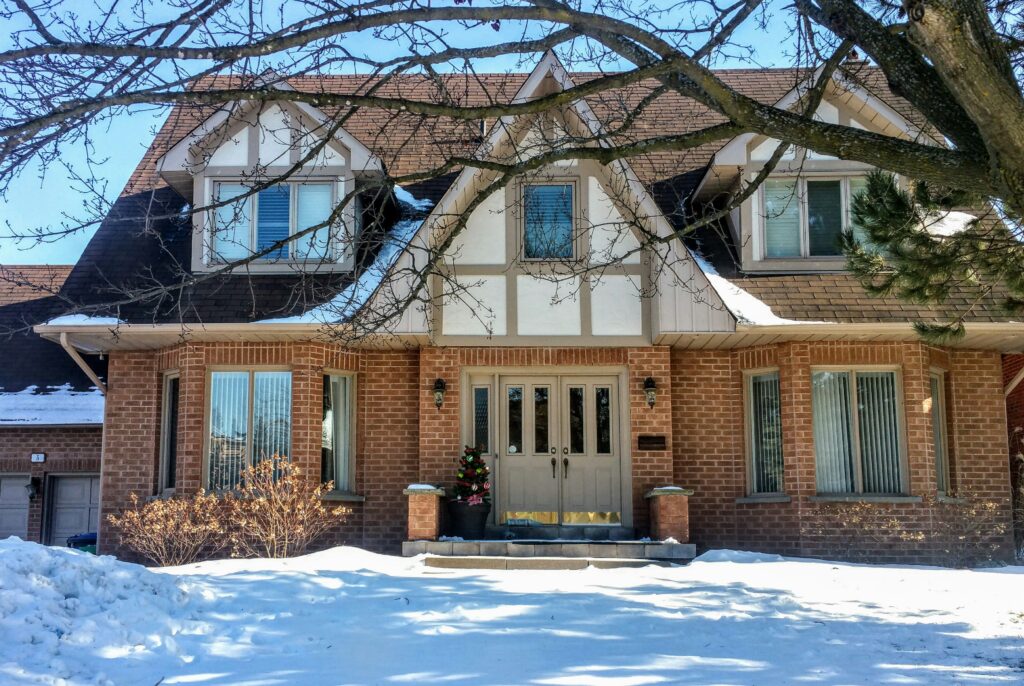
Different Types of Visitors and Owner Responsibility
Not all visitors are treated equally under the law. The level of care owed depends on why someone is on the property.
- Invitees: Invitees are individuals invited for business purposes (e.g., customers, clients, delivery workers). Property owners owe the highest duty of care to invitees. They must inspect, discover, and correct hazards (like icy sidewalks or slick tile floors) and provide warnings if immediate repair isn’t possible.
- Licensees: Licensees visit for social reasons (e.g., friends or family). Owners must warn licensees about known hazards, but they don’t have to constantly inspect for new dangers.
- Trespassers: Trespassers enter without permission. Generally, property owners aren’t responsible for protecting trespassers, though they cannot intentionally cause harm. However, when it comes to children, owners must secure “attractive nuisances.” These include ponds or equipment that might attract a child onto the property and cause injury.
What Premises Liability Claims Need
Premises liability laws are complex, and proving liability requires solid evidence pointing to the property owner’s negligence and your injuries.
A valid premises liability claim must be able to prove:
- Duty of care: The Defendant must have had a legal responsibility to maintain a safe environment, either as a property owner or someone in charge of managing the property.
- Breach of that duty: You must show that the defendant failed to uphold his or her responsibility when it comes to preventing hazards or injuries to customers and guests/
- The breach caused your injury: You must show that the breach of duty is what directly caused your injuries.
Compensation Available For Slip and Falls
If you’ve been hurt on someone else’s property because of unsafe winter conditions, you may be entitled to compensation for:
- Medical bills
- Lost wages
- Pain and suffering
- Long-term disability or rehabilitation costs
It’s important to speak with an experienced slip and fall attorney who understands the statutes and can evaluate your claim.
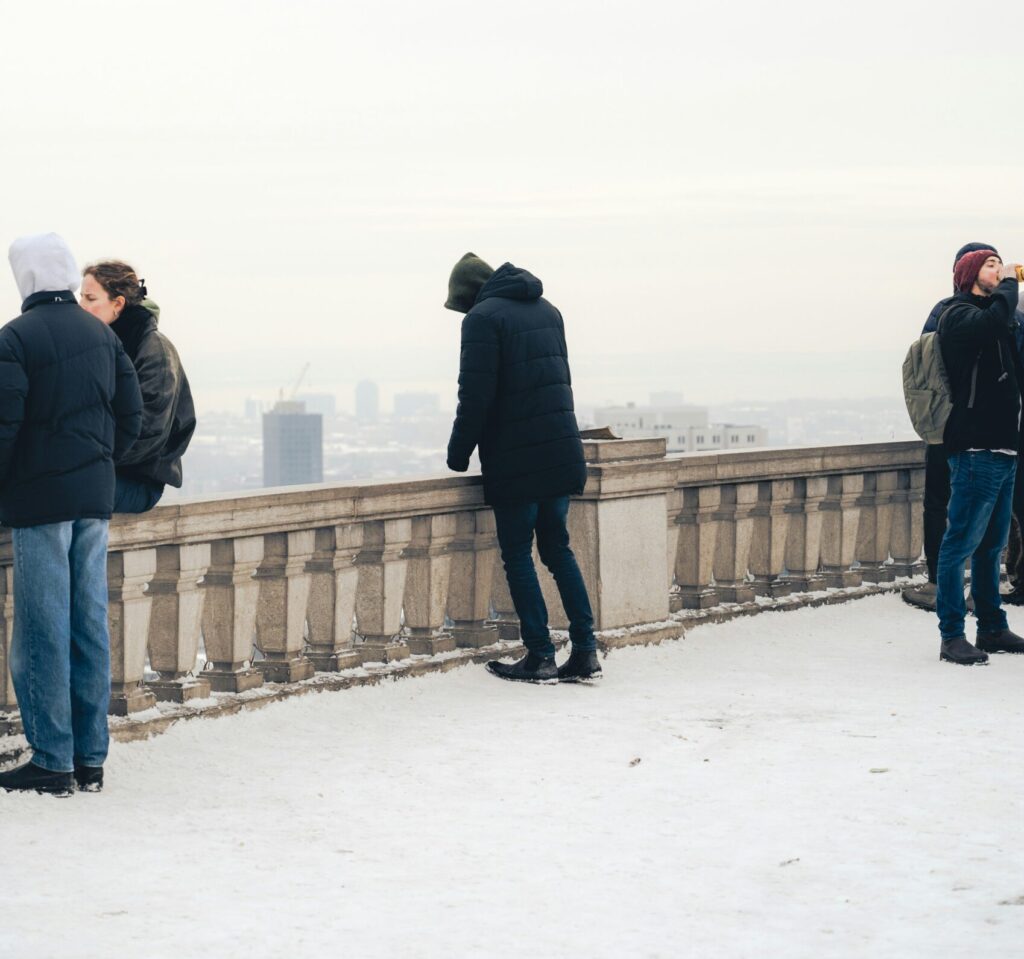
Winter Safety and Prevention Tips for Property Owners
Preventing slip and fall accidents starts with vigilance and preparation. Property owners should:
- Conduct frequent inspections during winter months
- Remove snow and ice promptly
- Use salt, sand, or anti-slip mats at entrances
- Fix or mark uneven pavement
- Ensure proper lighting around walkways and parking lots
- Maintain records of maintenance and weather conditions
Taking these steps can significantly reduce the risk of injury and potential liability.
Contact a Slip and Fall Accident Attorney Today
We advise seeking medical attention as soon as possible after a slip and fall accident. Once you address your health and safety, contact a slip and fall accident lawyer or personal injury lawyer in Los Angeles for guidance on how to navigate the legal process. Our experienced Los Angeles injury attorneys will fight on your behalf to help you secure the compensation you deserve.
John J. Perlstein, one of the best slip and fall lawyers (Los Angeles), has over 25 years of experience securing fair and just outcomes in personal injury and wrongful death cases.
Reach us at (213) 583-5786 or fill out the form on our website to schedule a free consultation with a slip-and-fall attorney. This consultation will allow us to determine how we can secure the best possible outcome for your slip and fall case.