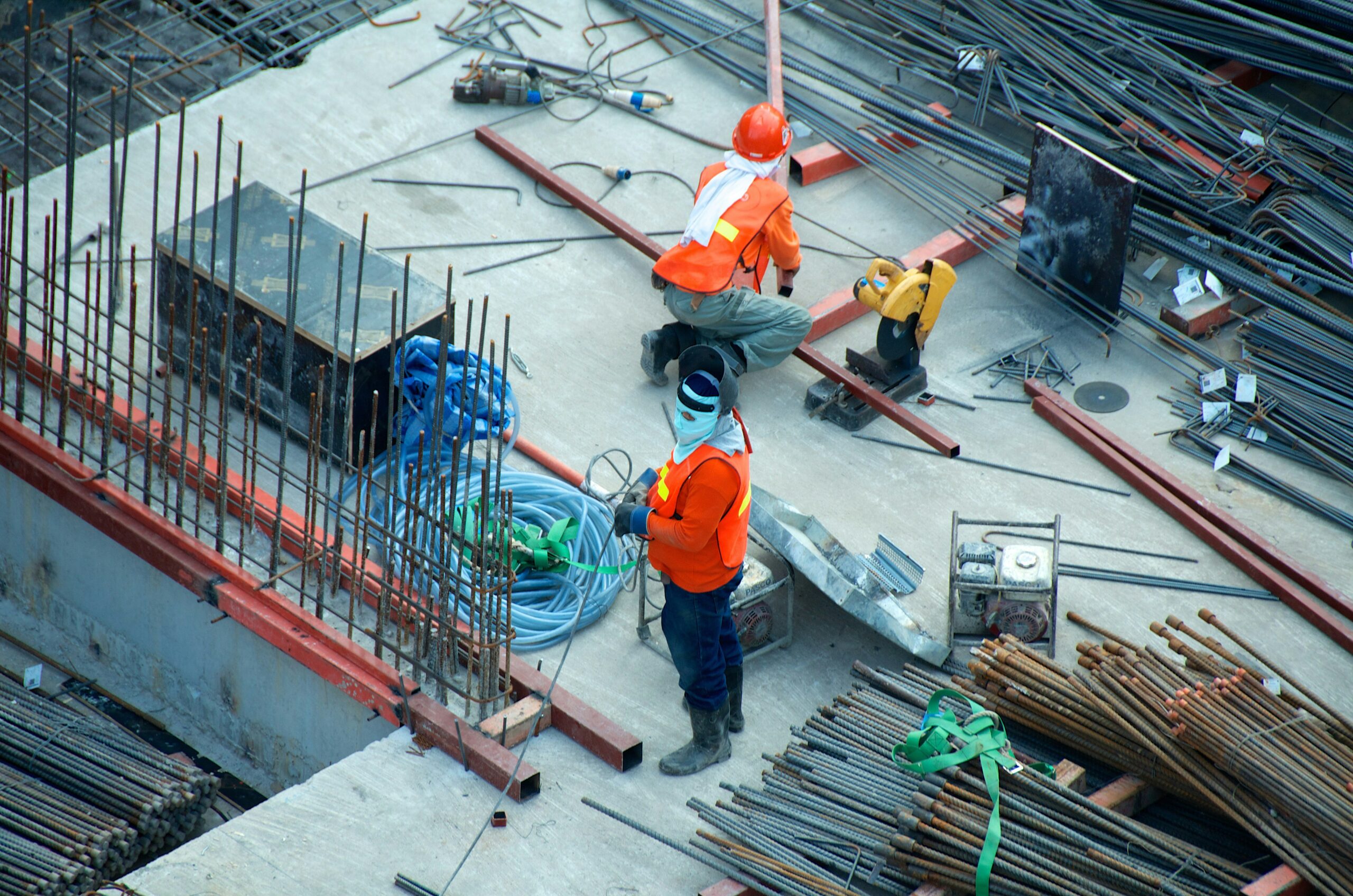
Construction sites are some of the most dangerous workplaces in the country, and struck-by accidents are among the leading causes of serious and fatal injuries. In fact, one in four “struck-by vehicle” deaths involves a construction worker more than any other profession.
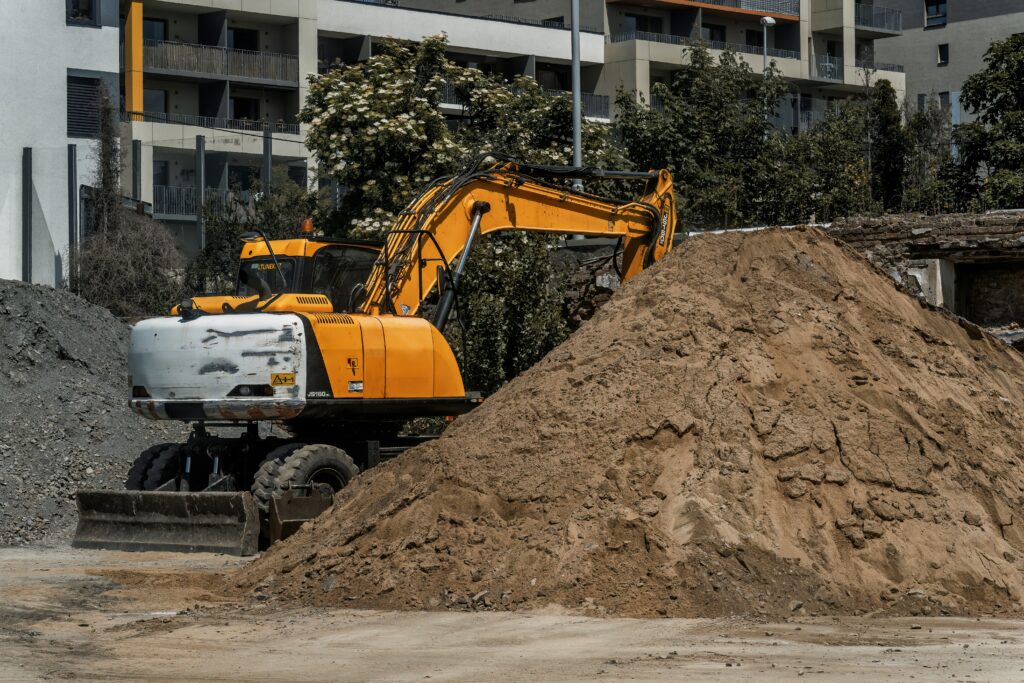
Even more alarming, approximately 75% of struck-by fatalities involve heavy equipment such as trucks, cranes, and other large machinery.
Below, our Los Angeles personal injury law firm breaks down the most common hazards, explaining how these accidents happen and how they can be avoided.
If you or a loved one were seriously injured on the job, you may have the right to seek legal action, and should consult legal counsel immediately at (213) 583-5786.
What is a “Struck-by” Construction Accident?
A struck-by accident occurs when a worker is hit by a vehicle, object, piece of equipment, or falling material. These incidents typically fall into three major categories:
- Struck by vehicles
- Struck by falling or flying objects
- Struck during masonry or wall construction
Each type of incident can cause catastrophic harm, including head injuries, crushed limbs, fractures, and even death.
1. Struck-by Vehicle Accidents
On busy construction sites, workers are constantly at risk of being:
- Pinned between trucks, walls, or equipment
- Hit by backing vehicles with limited visibility
- Struck by overloaded or improperly operated machinery
- Crushed beneath overturned equipment
When proper safety procedures aren’t followed, the results can be devastating.
Proper Safety Procedures
Construction companies are required to implement strict safety protocols, including:
- Ensuring all workers wear OSHA-approved seat belts
- Inspecting vehicles before each shift
- Equipping trucks with audible backing alarms or spotters
- Keeping all personnel clear before using lifting or dumping devices
- Lowering blades, buckets, and lift components when equipment is idle
- Using chocks and parking brakes on inclines
- Providing protective cabs and shields for drivers
- Enforcing load limits, never exceeding rated capacity
- Prohibiting workers from riding in unsafe areas
- Using barricades, signage, and trained flaggers near public roadways
- Requiring high-visibility clothing, especially during night work
When employers cut corners, workers pay the price. If you are hurt on the job, it’s crucial to seek legal counsel right away. An experienced workplace injury attorney can help protect your rights, guide you through the claims process, and ensure you receive the compensation and support you need to recover.
2. Struck-by Falling or Flying Objects
Falling or flying objects are a hazard when:
- Working beneath cranes, scaffolds, or overhead tasks
- Using power tools capable of sending materials airborne
- Handling tools, materials, or debris that are improperly secured
Injuries from these incidents can range from abrasions to blindness, concussions, and fatal trauma.
Proper Safety Procedures
Employers must protect workers from falling and flying objects by:
- Providing hard hats and protective eyewear
- Stacking and securing materials to prevent sliding or collapse
- Using toeboards, debris nets, and guardrails
- Inspecting tools, machines, and guards regularly
- Training workers on powder-actuated tool use
- Barricading areas under crane or hoist operations
- Securing tools and materials used in overhead work
- Using debris nets, canopies, or catch platforms
- Limiting compressed air for cleaning to 30 psi and banning its use on clothing
Failing to follow these safety precautions is often a clear sign of negligence. When those responsible for maintaining a safe work environment overlook established protocols, they put workers at unnecessary risk.
3. Struck-by Hazards During Masonry and Wall Construction
Concrete and masonry walls pose significant struck-by risks because of the enormous weight and pressure involved. Workers can be injured or killed when:
- Lifting equipment fails
- Walls or slabs collapse
- Unsupported structures give way
- Materials recoil unexpectedly (like wire mesh)
Proper Safety Procedures
To prevent these accidents, employers must:
- Ensure a qualified person verifies load-bearing capacity before placing construction loads
- Provide adequate shoring or bracing until structures can support themselves
- Limit the work zone to essential personnel only
- Secure wire mesh and other materials to prevent sudden recoiling
- Avoid overloading lifting devices
- Use automatic holding devices to prevent collapse if equipment fails
Injured in a Struck-by Accident?
A struck-by accident can leave you unable to work, facing mounting medical bills, and struggling to recover physically and financially. When safety standards are ignored or responsibilities are unclear, the results can be catastrophic. If you or a loved one has been injured or worse while working on a construction site, you may be entitled to compensation.
Contact a Los Angeles Workplace Injury Attorney Today
Our knowledgeable and experienced personal injury attorneys in Los Angeles, CA, are here to walk you through the legal process following a workplace injury.
The statute of limitations typically requires you to file a Los Angeles personal injury claim within two years of the date of the injury. This means that if you are injured, it is important to reach out to our personal injury law firm ASAP to get the most out of your claim.
With over 25 years of experience, John J. Perlstein is one of the best personal injury attorneys in Los Angeles, CA, securing fair and just outcomes in personal injury and wrongful death cases. This includes catastrophic injuries, car accidents, and more. He will work tirelessly with insurance companies and other parties to ensure maximum compensation for victims and their families.
To set up a free consultation with a top construction injury attorney regarding your work-related personal injury claim, fill out our form online or give us a call at (213) 583-5786.