After a dog bite injury or a slip-and-fall accident, you may be left managing serious injuries, medical bills, and uncertainty about the best next steps to take. If your incident stems from a dangerous or unsafe condition while on someone else’s property, you may have the grounds for a premises liability claim. Keep reading this blog from the personal injury lawyers in Los Angeles, CA, at the Law Offices of John J. Perlstein to learn more.
Simply being injured on another person’s property does not automatically establish a personal injury case. To do so, you must prove the property owner or another responsible party was legally at fault, and in many premises liability cases, that means establishing a negligence-based cause of action.
During your first meeting with your premises liability lawyer, you may hear terms such as “cause of action,” “negligence,” or “breach of duty.” Understanding these terms can help you better comprehend how an attorney evaluates your claim and navigate the process with greater confidence.
Below, our Los Angeles premises liability lawyers explain what a premises liability case is, the cause of action in these cases, how negligence can form the basis of a premises liability claim, and the important evidence that may help establish and strengthen your case.
What Is Premises Liability in California?
Premises liability, an area of personal injury law, allows individuals injured by an unsafe or dangerous condition on someone else’s property, resulting from the responsible party’s negligence, to bring a claim and seek compensation. Under California law, property owners, managers, tenants, and other parties responsible for a property may have a legal duty to maintain reasonably safe conditions, address potential hazards, and warn visitors of dangerous conditions when necessary.
Notably, though, an injury on someone else’s property does not automatically establish a premises liability claim. Whether a property owner or another responsible party can be held liable depends on the accident’s circumstances, including the nature of the hazardous condition, whether the responsible party failed to uphold their legal duty of care, or if they knew or should have known of the dangerous condition.
At the core of these claims is the foundational legal concept of negligence. To establish negligence in California, an injured person must generally prove four elements: duty of care, breach of duty, causation, and damages. Learn more about negligence in California in our related blog.
What is a Cause of Action in a California Premises Liability Case?
After an injury on another party’s property, for example, if you slip-and-fall in a grocery store because a spill remained unmarked for a reasonable amount of time, you may have the grounds to pursue legal action and seek compensation for your injuries.
To understand whether you can bring a claim, it helps to understand the legal concept of a cause of action (premises liability). A cause of action lays the essential legal foundation for a claim by establishing the facts and legal principles that give an injured individual the right to seek a remedy. Depending on the claim, a cause of action may arise from a statute, constitutional provision, administrative regulation, or judicial precedent.
In a California premises liability case, the claim generally rests on negligence. As previously discussed, property owners or responsible parties may be held liable for the failure to exercise reasonable care for their property under this core legal ideal and cause of action.

What is Negligence in a California Premises Liability Claim?
Negligence is a prevalent legal concept in premises liability and across personal injury cases. It occurs when someone fails to exercise reasonable care, contributing to the injury or harm to another individual. In such cases, negligence may arise from a property owner’s failure to take the proper steps to maintain a safe property or address dangerous conditions, both of which are needed to protect visitors from foreseeable harm.
As discussed above, to establish negligence in a California premises liability case, the plaintiff generally must prove four elements:
- Duty of Care: The defendant owed the plaintiff a legal duty to exercise reasonable care. Under California law, a party’s control over the property and its condition may be important in establishing a duty of care, as property ownership alone is not always a determining factor.
- Breach of Duty: The defendant failed to uphold their legal duty in maintaining a standard of reasonable care.
- Causation: The plaintiff’s harm or injuries were a direct result of the defendant’s breach of duty.
- Damages: As a result of the injury, the plaintiff experienced actual harm or losses. These damages may include medical bills, lost wages, pain and suffering, and more.
To succeed on a premises liability claim based on a negligence cause of action, generally all four elements above must be proven to establish liability. Together, you and your premises liability attorney can assess the facts of the incident, who controlled the property, and whether the property controller should have known about the condition and taken additional precautions.
What Evidence Can Help Establish a California Premises Liability Claim?
Evidence is pivotal in a California premises liability case and in proving negligence; it can establish how the injury occurred and its severity, if a dangerous condition existed, and whether the responsible party acted with reasonable care. By providing your California premises liability lawyer with valuable information and evidence, they can properly assess your case and its strength.
Common Types of Evidence:
- Photographs and videos
- Incident statements
- Witness reports
- Medical records
- Maintenance and inspection logs
- Property and lease documents

FAQs
What Are Common Premises Liability Accidents?
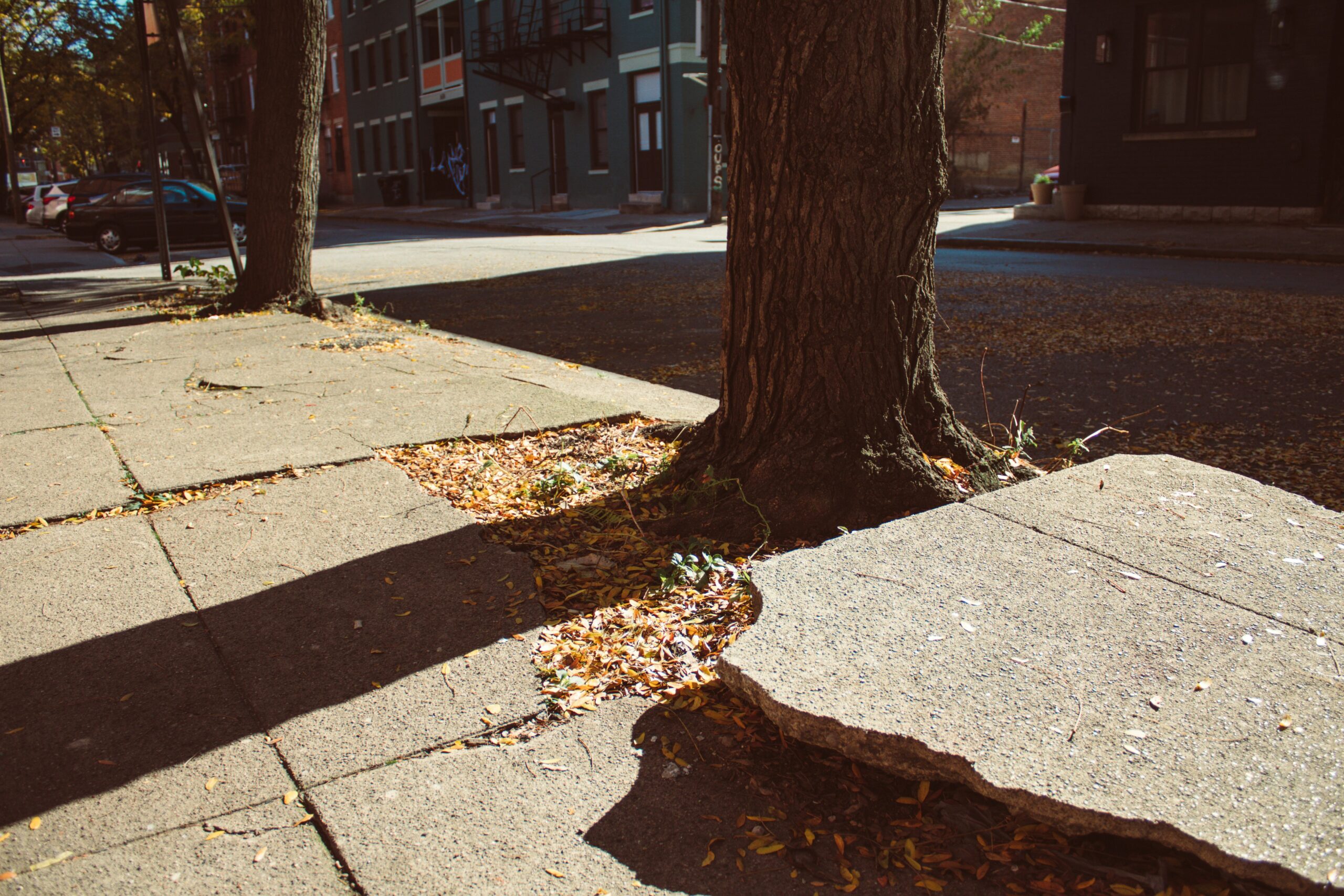
Common premises liability examples include, but are not limited to, slip-and-falls, animal attacks, trip-and-falls, faulty staircases and railings, elevator malfunctions, uneven sidewalks, and wet, icy, or slippery floors.
How Long Does One Have to File a Premises Liability Lawsuit in California?
Under California Code of Civil Procedure § 335.1, most individuals have 2 years to file a premises liability lawsuit. However, exceptions may apply. For example, if the incident occurred on government property, you may only have six months.
Can Someone File a Premises Liability Claim if They Were Partially at Fault?
Yes, California operates under a pure comparative negligence system, which permits plaintiffs to recover compensation even if they are partially at fault. For example, if your total damages were $100,000 and you were 95% at fault, you can recover 5% of that compensation, or $5,000.
Does One Need a Lawyer for a California Premises Liability Claim?
While a California premises liability lawyer is not required to pursue a claim, it is highly recommended, as they know how to best pursue the case to obtain just outcomes.
Contact a Los Angeles Premises Liability Attorney Today
The aftermath of a premises liability accident can be confusing, overwhelming, and stressful. Navigating the legal process and preparing for your first consultation with a premises liability attorney in Los Angeles may add to that uncertainty.
Leading Los Angeles premises liability attorney John J. Perlstein understands the challenges you may be facing and is here to guide you through every step of the legal process. With over 25 years of experience serving and representing individuals and families throughout Southern California, John continues to provide just legal outcomes for those injured from unsafe property conditions.
If you or a loved one has been injured in a premises liability accident, contact the Law Offices of John J. Perlstein today for a free consultation by filling out the contact form or by calling 213.252.1070 today.